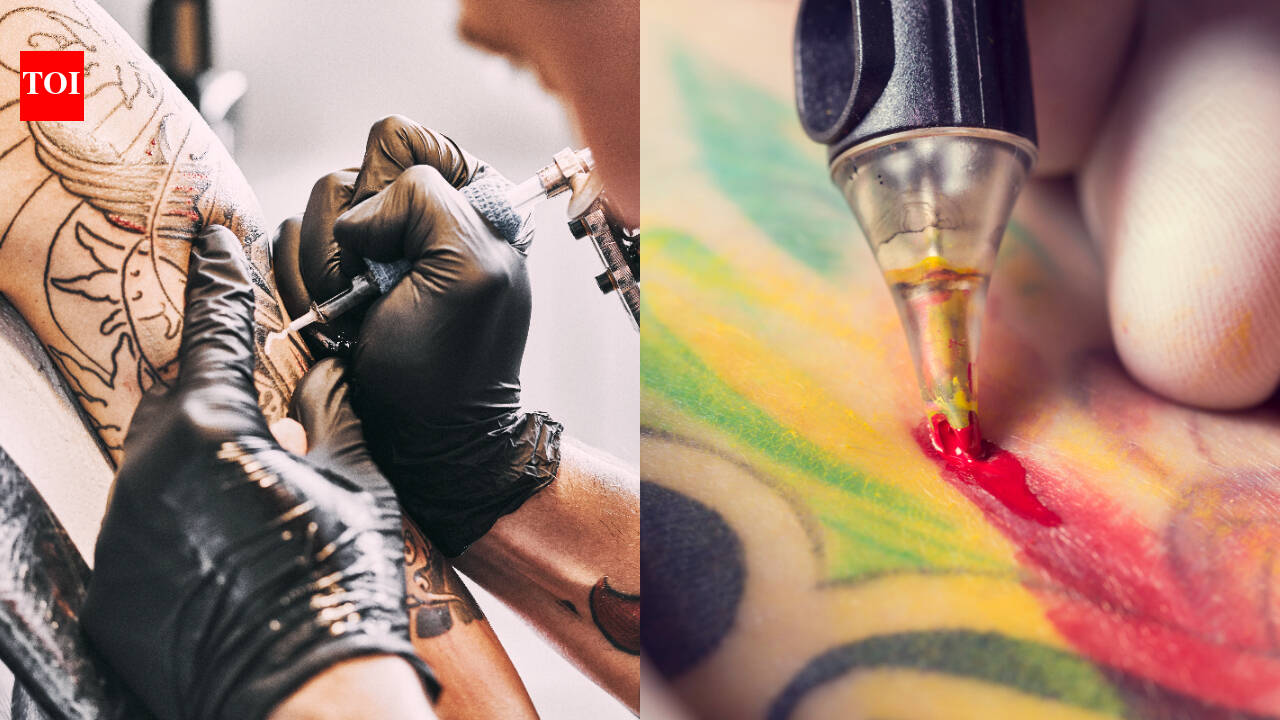
Advances in bioengineering are challenging the permanence of tattoos, with researchers exploring ways to make body art temporarily reversible through biological methods rather than lasers. Early experiments suggest ink could potentially be controlled or removed using light-sensitive materials, offering a less invasive alternative to traditional removal techniques. The development could redefine how people approach body modification, blending artistry with emerging biotechnology. Scientists are still refining the approach, but the concept raises intriguing possibilities for those wary of lifelong ink.
A tattoo has traditionally been a commitment etched into the skin, with removal often involving multiple laser sessions, discomfort and considerable expense. But what if body art could be switched on ...