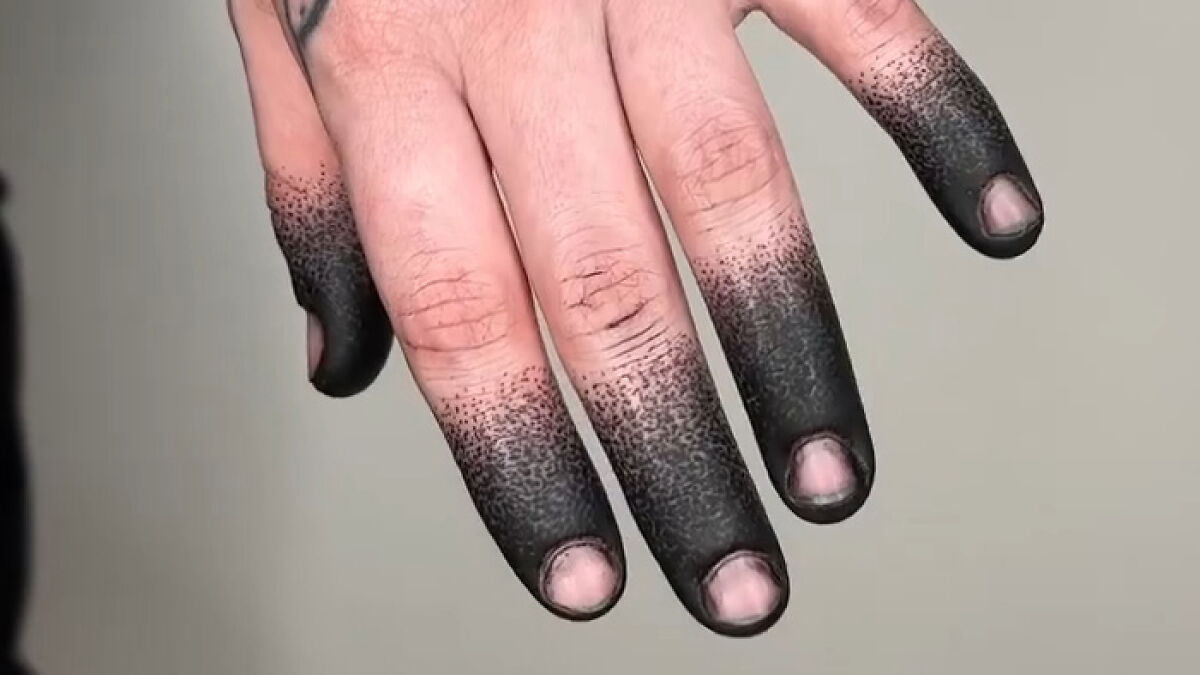
Scientists have uncovered how repeated trauma to delicate skin—such as frequent friction or injury—can lead to long-term damage, replacing natural tissue with rigid scar tissue. The process, known as fibrosis, builds up over time as the body’s healing response creates stiff collagen in place of flexible skin. Research suggests this cumulative effect may explain why certain areas prone to repeated stress develop chronic scarring. Understanding the mechanism could offer new insights into preventing or treating stubborn scars in high-risk regions.
“And repeatedly traumatizing the same confined area of thin skin increases the cumulative risk of traumatic dermal scarring (fibrosis), replacing flexible dermal tissue with stiff scar collagen that ...